Friends – ‘Comparison is the Thief of Joy’

40523056_10160759720035394_23675135340838912_n

3) Comparison

The last of the three main hurdles that can cause a rift between friends is comparison.We are a generation who loves to compare. We compare everything from looks and possessions to successes and relationships. Who has the better relationship? The better job? The better house? The better clothes? Who is more popular? Who is prettier? Who is fitter? Who is funnier? Who is smarter? Who sings better? Who plays better? Who works harder? We constantly find ourselves in competition, constantly having to ramp it up because we have fallen into that trap of basing our self- esteem on being better than others or having the best things. It’s hard work and it’s exhausting. And the thing is, the second we start losing we usually find our whole life comes crashing down. And we start wanting what other people have. Jealousy is a terrible thing. It is destructive. It is stemmed from not being satisfied or grateful for what you already have, and turns into a silent resentment that starts to eat away at you. It doesn’t matter if that person is a stranger, a friend or a family member. If you start to become jealous over who they are and what they have, you stop being happy for them. You stop wanting the best for them and you start to feel negatively towards them. Jealousy and comparison don’t just have the potential to ruin our own self – esteem and happiness, but our relationships as well. It’s even worse when we compare and think we are winning. That we are better and what we have is better, because that is when pride and arrogance step in. And it is a lie. Money does not make a person better, neither do looks or possessions or status. We have not looked into the eyes of anyone who we are superior to nor inferior. We are all different and unique definitely. But we are equals. Equals who bring different things to the table rather than competitors trying to win our way there. What if I told you it didn’t have to be that way? That your life didn’t have to be one big competition all the time and you could actually just be happy? It involves having a complete change of attitude and training yourself to think about it in a different away. It involves two things.

1) Being grateful for what you have.

It can be so easy to moan about the things in your life, especially when you have got yourself in a habit of thinking negatively. But the truth is, if you have friends and family who love you, that’s precious. If you have a house, that’s a blessing. If you have a job, that’s a life saver. If you’re comparing what someone else has over you, look at what you have again and start noticing the beauty of that, because it is beautiful. What they have is different, not better. And as for possessions, possessions are luxuries, not necessities. Some people don’t have that. Some people have less than you. I know that sentence is incredibly overused but it is true. What’s ironic is in my experience, I usually find it’s the people who have less who are happier because they understand what’s important in life. The times in my life where I have been most happy is when I’ve gone camping with my friends, simply because you don’t take any of your possessions with you. It doesn’t matter about money and it doesn’t matter what you wear or how you look. You’re camping! You’re all in the same boat. You can’t be on your phone all the time or watch TV. You have each other and you start to interact with people again and talk and play games, rather than staring absentmindedly at your phone or hiding in the four walls of your home.  It starts to bring a bit of equality back into life. You get to know people properly and realise how great they are and remember what truly matters in life. You stop worrying about what people are thinking about you and letting that get in the way of actually getting closer to them. You become grateful for them and what they bring to your life rather than all the rest of it. And you start caring about them rather than competing with them. Although we can’t always go camping, we can start remembering who we have in our lives and making time for them. There is a phrase that says, the best things in life are free. People are amazing and you don’t have to buy them. It’s time we started appreciating them again.


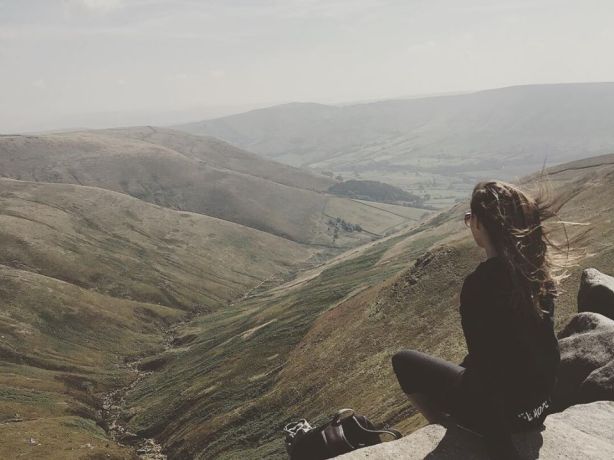
Sometimes, it can be as simple as appreciating creation around you. Nature is beautiful. When was the last time you stopped to appreciate it?

37775228_10160611924900394_6219763753060139008_n


And when it comes to your comparing your talents and what you love doing, remember that it doesn’t matter if people are better than you or worse than you. It’s simply about doing what you love because you love it and it makes you happy. If you have something that you love that makes you happy, you should be grateful for that gift in your life. Because some people don’t think they are good at anything or enjoy doing anything. (Which isn’t true by the way. And as a side note, sometimes the question isn’t “What am I good at?” but “What do I enjoy?” Everyone enjoys doing something. You just have to find it.) It isn’t about skill. It’s about willingness. And if you want to be better, practice! Focus on where you are at and where you want to be, not anyone else. They may be good, but they are different. You are different. You bring something different to the table. I have a very good friend who has an amazing phrase that we’ve all started to live by. He says, “You be you.” I love it. It’s so simple. Don’t try to be anyone else but be the best version of you. No one can be you. You are you and they are them. As a Christian, I believe God created you the way you are for a reason, and you were created to be loved by him. That is your purpose, and that is why you will always be enough.

So if you are struggling with comparison, maybe write down – or at least start thinking about – what you actually have in your life to be grateful for. And I’ll be honest, it isn’t a quick fix. Like I said at the beginning, you have to train yourself to think like this. It’s like athletes who have to train to be good enough for competitions. It takes time and you have to do it over and over. But if you consistently train yourself to be grateful for things in your life and think positively about what you have, it will become gradually more natural to you, and you will have an appreciation of life that you didn’t have before. The difference a positive attitude can make to your life is enormous. It’s hard but it’s worth it.

2) Preferring others.

Naturally we think of ourselves. Our needs, our wants and our desires. And this is where comparison thrives because we are all looking out for number one and nobody can get in the way of that. But if we were to stop looking inwardly at ourselves and what we can gain for one moment, and start to look outwardly at others and have their best interests at heart, comparison finally gives way to something else. Love and joy. When we start caring more about what other people have and put their needs and feelings before our own, our whole perspective shifts. Instead of thinking, “Why them?” we train ourselves to be happy for what they have because we love them, and we want the best for them. We want them to be happy. When we realise it’s not just about us, that starts to affect our own feelings about ourselves. It feels good to love other people. We were created to do it. It’s not about winning or being better. It’s about wanting the best for each other. Loving each other extravagantly. It doesn’t matter if this person keeps getting more opportunities than us. Good for them! They’re happy and that’s a great thing. Celebrate with them. And one day an opportunity will come to you, and you will have one more person cheering in your corner. One example I could give is how much I love my sister. Now in the world’s eyes she has a better job than me and a bigger house than me and has seen more of the world than I have. But I can genuinely say that not once have I been jealous of her. She’s done well in her life, and she’s worked hard to get there. Plus I’m very grateful for the job I have and the house I live in. They’re blessings to me. Bigger isn’t better to me, and money doesn’t buy my happiness. But seeing my sister content, that does make me happy. And even if my sister were to win the lottery and have more opportunities in life than me, and have more friends than me and go on more holidays than me, I would be overjoyed for her. Because I love her, and I want her to have the best life. Another example is a girl I used to find myself competing with when it came to our friends. If she hung out with people more than me or got invited to places I didn’t I hated it. Likewise, if I got to hang out and she didn’t, I felt very smug. But over the years as I have been learning about preferring others, I came to realise that she wasn’t better than me. And I wasn’t better than her. We were different, and our friends loved us equally for different reasons. It was okay that people wanted to hang out with her, because actually she was my friend. I should want her to be loved and have the best friendships that she could. So I changed my attitude and started training myself to be happy for her, that she had people in her life to support and love her, myself included. Not only did it do wonders for our friendship, it did wonders for my self-esteem too. The thing is, our self- esteem shouldn’t be based on others or on things. We should be more concerned on who we are as people.

If we can start to train ourselves to prefer others and appreciate what we have in our own lives, comparison dies and suddenly we start to look out for each other instead. Our relationships start to flourish. We start to realise the beauty of everyone bringing something different to the table, and realise our own self-worth as well. We realise that they are not better and we are not better, but that we are all of equal worth. The world would be a happier place if we started to look at everyone that way.

“Comparison is the thief of joy.”

Theodore Roosevelt

“Don’t just pretend to love others. Really love them.

Romans 12:9 – The Bible

“Don’t act out of selfish ambition or be conceited. Instead, humbly think of others as being better than yourselves.

Philippians 2:3 – The Bible

“In all things, give thanks.”

1 Thessalonians 5:18 – The Bible

“Every good and perfect gift is from above, coming down from the Father.”

James 1:17 – The Bible

Friends – How to resolve conflict

Last time we talked about how there are three main hurdles that can often cause a rift between even the closest of friends and started with the first one which was ‘getting lazy.’ The second hurdle I want to cover this time is…

2) Resolving conflict

Unfortunately, conflict does happen in friendships because people aren’t perfect and at some point, we are going to feel let down. That is a normal part of life. It cannot be avoided because different people get annoyed or offended about different things and therefore it is near impossible to please everyone at once. You could even do something with the best intentions and with someone’s best interests at heart, and end up offending them instead. We have no control over anyone else’s actions or responses. But what we do have control over is ours and how we choose to deal with it. When it comes to resolving conflict are three types of people.

Angry and loud

If these people get annoyed, they are not afraid to deal with the issue head on and be brutally honest about everything without mincing their words. These people let their anger take control and let all their thoughts and emotions out with no thought to the other people’s feelings. A lot of sentences in these confrontations involve the words, “You, always,” and “Never.”

‘A gentle answer turns away wrath, but a harsh word stirs up anger.’ Proverbs 15, The Bible. This could not be truer. Usually the other person then gets their back up and starts shouting back in an attempt to defend themselves and point the blame elsewhere. Both people find themselves getting angrier and suddenly the goal of the conversation shifts from resolving conflict to who can say the most hurtful things. Suddenly they start to exaggerate and say things they don’t mean just to make the other person feel as hurt as they feel and pretty soon all you’re left with is a lot of damage and hurt feelings from both parties. Many friendships have even ended this way.

Passive Aggressive


If these people get annoyed at someone, they don’t say anything to them at all. There is nothing direct about this approach. Instead they moan to other people and act passive aggressively. Up until about a year ago, this was my speciality. My go to. The reason being I didn’t want anyone to get angry and annoyed at me so if I had a problem with someone I vented elsewhere. I could be annoyed, but not them. The problem with this one is, the way we deal with our irritation disguises itself as a good thing. “I’m not saying anything horrible to them. We never fall out. I’m just letting it out somewhere else to help me.” This is what I told myself as I moaned to other people until a couple of years ago when I had to preach about it at church. As I sat there planning what I was going to say and looking up verses in the bible, it was then when I realised that I didn’t moan about my friends to other friends because I wanted advice and help. I moaned about them because I wanted my other friends to understand what an awful person they had been. I wanted them to moan too and say, “Poor you. You were in the right. They are so bang out of order.” It was almost like I wanted them to be on my side and I realised I should call it what it actually was. Bitchiness. A power play.

Because the truth is, if I never brought up my offense with my friend, how could they change it? How could we resolve it? Moaning about them to other people wasn’t helping our friendship get better. It was actually making me feel more irritated and justified and making other people think badly of them too. An example of this is when a couple of years ago someone had offended me so I told another friend because I wanted to get it off my chest. What happened though was  my other friend started to dislike this person and moaned about them too. Do you notice that when you talk about someone in a negative way, it feels good to “get it off your chest,” but afterwards you feel differently when you see them? Or even worse they find out what you said and you’re embarrassed? That’s usually an indication that it wasn’t the right thing to do. At the time, it felt good to feel supported and justified, but looking back on it now I realise nothing good came from it. There was no love in the situation and instead of my offence being dealt with quietly, I’d just shared it around with more people. It was now their issue too.

The problem with not saying anything is it means the issues never go away. We think we are saving our friendship if we never talk about negative things, but what is essentially happening is we are building a silent wedge between us that never gets dealt with. And you don’t forget those things. It just builds and builds and you moan more and more until it starts to affect your behaviour towards them. That’s when you start to act passive aggressively. Subtle insults are thrown around, you start to act coldly, you don’t want to hang out anymore and you can’t see what you liked about them in the first place. There are two ways it can go then. Either you both end up ‘naturally’ going your separate ways, or it blows up into a big, heated argument and you then don’t know how to find your way back to being friends. The passive aggressive attitude is a slow process but I believe to be the most destructive.

Positive confrontation.

The third group of people are the ones who deal with conflict in the best way and who over the last year or so I have been striving to be like. When they are annoyed, they don’t lose their temper and say the first thing in their heads. Likewise they also don’t leave issues to lie and fester and eat away at their friendship. Instead they calm down, think about what they are going to say and talk to their friends honestly but with love! “When you’ve done this, it has made me feel like this. I really care about you so I want to get past it.” The difference between this approach and the loud and angry approach is the care behind it. The aim isn’t to insult them and tell them what a bad person they are, but to genuinely resolve the issue so you can both move forward because they mean too much to you to lose over it. It’s choosing love over offense. It separates the person from the issue and focuses on the issue, not the person. It is gentle and kind but with purpose. You are not attacking them, but addressing the issue head on. It helps people understand that it is not them you have a problem with, but merely their actions. And actions can be changed. If people feel loved, they are less likely to get their back up and more likely to work with you to sort it out.

There are two people in my life who have helped me learn this.

The first is my husband Jonny. Funnily enough, I was more like the loud and angry person with him and him alone. Our problem with resolving conflict was completely different. Neither of us held back and could have some heated arguments. Over the years, we have had to learn a lot on how to resolve issues. I am not claiming that we are now perfect, but the way we handle disagreements has transformed dramatically on the whole. We have learnt a couple of things that has really helped our relationship grow.

1. Always apologise. They have a side. Whether you feel like you are completely in the right or not, they have still had their feelings hurt by the situation. Even if you feel like you haven’t done anything wrong, you can still apologise for making them feel that way. I have never known a word more powerful than, “Sorry.” I can be absolutely livid and then all Jonny has to say is a genuine apology and it catches me off guard. It’s like it deflates me. It has the same effect on Jonny too. It can extinguish a situation almost immediately because you are taking responsibility for hurting them and they feel understood. And that’s all people want. To feel understood. Sometimes you can feel like you’re always the one who has to say sorry first which can be irritating, but you can’t control their response, you can only control yours. Pride stops us from apologising, but it shouldn’t. If the relationship can heal and improve because you chose making it right over pride, then that says a lot about the kind of person you are.

2. Do more listening than talking. This is the hardest one because when you’re angry and they are saying something you disagree with then you want to fight back. It goes against every fibre in our being. But listening is one of the most powerful tools in arguments. I don’t mean staying quiet as they talk whilst planning what you’re going to say next. But actually listening to what they are saying and trying to understand what they are trying to communicate. Before when we argued, we’d talk over each other and get louder and louder. But recently I have physically watched Jonny calm down in front of me when he’s able to talk. In our marriage preparation course, we were advised to repeat back what that person had just said to you in your own words to show them that you had heard them and understood what they were saying. True listening makes people feel understood and once again, feeling understood just deflates people’s anger. Then you know what to apologise for and what you can change to make them feel better.

3. Be proactive about changing it. This one’s easier. If there is something we are doing or saying that is hurting someone, don’t do or say it. If there is something we’re not doing or saying, try and work out how to do or say it!

4. Time out. This is for those disagreements that you are just too angry to resolve at that current moment, usually because it’s really late and really you’re both just tired and need sleep. Sometimes it is better just to agree to take a time out, go and calm down – or sleep – or eat (hanger is real) – and come back to it at a better time where you can actually talk about it properly.

5. Going to someone who champions that person. This is different from just being bitchy. I have said this before in a previous blog but the best advice I ever received before I got married is if we ever had a disagreement, I needed to go to someone who champions Jonny. It is important to talk about what’s going on in your head, but when you are angry or confused the last thing you need is a friend who will add fuel to the fire and tell you how awful that person is. All that does is help create more issues and offence. If you go to someone who loves you both, you will be heard and supported but they will not attack your friend. They will encourage you to find a solution, maybe give your fresh perspective and good advice. Those are the kind of conversations that help save and grow healthy relationships. Find a helper, not a stirrer.

All of this is the same for resolving conflict with friends. When we are naturally having disagreements, we need to be prepared to apologise if we have hurt them. We need to be prepared to listen, to be proactive or otherwise go and calm down first and talk to someone who champions them so they will be talked about positively rather than making you more angry.

The second person is one of my best friends. When Jonny and I bought our first house together, I was still living with two of my best friends. I was going to move into our house once myself and Jonny got married. But the excitement of buying a house absolutely took over and I was there all the time, hanging out with Jonny and planning what our house would be like. This itself was totally fine obviously! But what I had started to do was get lazy with my other friends. I never went home to hang out with them. Like I talked about in my previous blog, my new significant life change was my shiny new house with my now fiancé – and that’s pretty massive! But I didn’t share it with my friends, I replaced them with it. And gradually over time my friend began to feel like she was unimportant to me. I sensed that she was annoyed and in my true passive aggressive nature, I avoided it like the plague. I tried to act normal for a few months but then eventually moaned to another friend about it. However, this other friend ended up saying something that really changed the way I thought. She said to me, “Is this worth losing your best friend over?” That was the question that made me think. Did I want to lose her? The answer was no, but that meant I had to deal with it. So eventually we ended up having a very hard and very awkward chat in the car and got everything out. We both apologised and we both got proactive with it. I made sure I made time for her and kept her involved in my life and from that moment it was literally like all the rubbish between us just disappeared. In fact we were better than ever! And since then, every now and then if there is something that has bugged us, we just talk about it, make the changes and it’s done. The beauty of it is, I know if she isn’t telling me that I’ve hurt her, then I genuinely haven’t. I know she isn’t moaning about me and there is nothing festering. It’s honest and kind and loving. What you see is what you get. There is a lot of freedom in a friendship like that. Conflict doesn’t have to be bad when you use healthy conflict resolutions. It can actually make a relationship stronger and healthier.

I just want to highlight that this doesn’t then mean you “positively confront” your friends all the time. Actually some things can be left to lie and you just need a bit of time to get over it. Realise that they haven’t done it to hurt you or annoy you, they’ve just not thought about it. I’m talking about the things that can’t be left to lie. The actions that have caused deep hurt that you just can’t seem to get over and it is started to affect how you see them. It is in that time where you need to ask yourself if it is worth losing them over? And sometimes – very rarely but sometimes – it is. Sometimes there are people who don’t actually care about you. They may use your or manipulate you. Tear you down rather than build you up and no amount of talking will change that. These are not healthy friendships and it is totally your call whether you choose to leave it or not. But if you do have a friend who has been there for you time and time again and you are just going through something, I would advise you not to give up on them just  yet, because friendship is worth fighting for. Like I said at the beginning, we have no control over anyone else’s actions or responses. But what we do have control over is ours.

TJ_TC_225

Let everything you say be good and helpful, so that your words will be an encouragement to those who hear them. Ephesians 4: 29, The Bible

Always be humble and gentle. Be patient with each other, making allowance for each other’s faults because of your love. Make every effort to keep yourselves united in the spirit binding yourselves together with peace.

Ephesians 4:2, The Bible

Make allowance for each others faults and forgive anyone who offends you. Remember, the Lord forgave you so you must forgive others. Above all, clothe yourselves with love which binds us all together in perfect harmony. And let the peace that comes from God rule in your hearts. For as members of one body you are called to live in peace.

Colossians 3:12 – 15, The Bible

 Love is patient, love is kind. It does not envy, it does not boast, it is not proud. It does not dishonor others, it is not self-seeking, it is not easily angered, it keeps no record of wrongs. Love does not delight in evil but rejoices with the truth. It always protects, always trusts, always hopes, always perseveres. Love never fails. 1 Corinthians 13:4 – 8

Finally all of you should be of one mind. Sympathize with each other. Love each other as brothers and sisters. Be tender-hearted and keep a humble attitude. Don’t repay evil for evil. Don’t retaliate with insults when people insult you. Instead, pay them back with a blessing. That is what God has called you to do, and he will bless you for it. 1 Peter 3:8, The Bible

What is Love?

Engagement Pix 29Relationships are amazing things, but for some reason they are not lasting as long as they used to these days. Why is that? I think it may be because there are certain false truths we have grown up believing whether we are aware of it or not. Relationships will never last if we hold onto these lies. If we want to see relationships that last a life time, it’s important to start changing the way we think. We need to start identifying the lies and replace them with truth.

Lie – Love is about feelings. 
I love films and music just as much as the next person, so I have definitely noticed there is a popular genre that never seems to get old in both the film and music scene. Even if you hate both of these things, it would still be pretty hard to avoid the massive hype that is ‘falling in love.’ It’s everywhere! On TV, the radio, books, social media. Everybody loves a good romance story.  There isn’t much out there that gets more likes on Facebook than the change of a relationship status. It was probably for this reason why I and every other teenager grew up so determined to find ‘the one,’ in my life. That one person who you would fall in love with and have this amazing connection with. We are told over and over again that when we meet that special person, sparks will fly and we will be flooded with a rush of intense feelings which will last for the rest of our lives.
I think it is this seemingly romantic belief that is the death of healthy relationships. It seems like such a beautiful, perfect dream, but in reality it is an unrealistic view of what relationships are meant to be like.

My point is not that romance in music or films is wrong, but simply we must realise that they are only telling us the beginning of the story. Of course there is spark when you start a relationship with someone you like because it’s new and exciting. They are new and exciting. You don’t know how they feel about you, what they are going to say, what they will do. It’s unpredictable. But the more you get to know that person, the less ‘new’ it’s going to become. They start becoming familiar. At the start, you will see only what they want you to see because they want to impress you. Likewise you will only show them what you want them to see because you want to impress them. And the feelings are so intense that you can’t help but tell them how they make you feel. You can’t help but spend time with them, chat with them for hours, do absolutely anything for them. At the start, they are on their best behaviour just like you, carefully choosing what they will show you. It isn’t until you get to know each other really well before you both start to relax and become more comfortable, and that is when people start to let their guards down. It’s later on when the perfect person becomes a little less perfect. It’s later on when they start to reveal annoying little habits that you never saw before. It’s later on when it becomes more of an effort to be on your best behaviour all the time and the disagreements happen. And it is this stage that the film and music industry don’t show us.
They show us the beginning spark, they don’t show us years later when our relationship changes. And so we start to measure our two year – three year – four year – relationship alongside a brand new exciting relationship and guess who loses? We are led to believe that our relationship should be like the films, but that is not reality. That’s when the question, ‘do I still love you?’ starts to take over in our thoughts. We start to realise ‘the spark has gone,’ and as that is what we perceive as a normal relationship, we end it and find someone new, only to repeat the same vicious cycle over and over.

Is it love?
I was 19 years old when I met my first boyfriend, because I grew up not just wanting a boyfriend, but the boyfriend. I didn’t want to waste my time on guys that weren’t the real deal, so I walked away a few times before I finally said yes to Jonny. He was different from other guys I’d liked in the past and it was very difficult to figure out what he was thinking. He kept his thoughts and feelings quite close to his chest so I only knew the limited amount of what he had told me. We had liked each other for a long time before he eventually asked me out. So when he finally did ask me out I was ecstatic that he wanted me. I made it Facebook official and threw myself in. The first two years were exactly what I’d hoped they’d be. He met my friends and family and slotted in perfectly. We hung out all the time and he started to let me in. He started to tell me how he felt about me and we shared our thoughts and dreams with each other. We would talk for hours and hours and he took me on some amazing dates. The more I learnt about him, the more I fell in love with him. It was everything I had dreamed about. But then something happened that I didn’t expect. About two years in, Jonny started to get really annoying. I began to notice little things he did that I hadn’t noticed before which really got on my nerves. Slowly over time he didn’t seem so perfect anymore and I started to care less about how I acted around him. We started to argue a lot and very soon I didn’t feel the same way I did before. All the spark we had vanished and honestly, he felt more like a friend to me. I went on Facebook and Instagram and it came to my attention how many of my friends looked happy in their relationships. I looked at their perfectly edited pictures where they looked so happy and so in love and I started worrying that I didn’t have what they had. I wanted what they had. I continued listening to music and watching films and seeing people fall in love again and again and the more I watched it, the worse I felt. I considered ending things with Jonny because I felt like I didn’t love him anymore and I felt horrible for it. Jonny and I spoke about how things were a little bit difficult at that point in our relationship, but I never shared the full extent of what was really going on in my head because I didn’t want to hurt him or possibly end ‘us’ whilst I was this confused. I didn’t know what I wanted, so for ages I didn’t tell anyone. Instead I looked to Google for wisdom. I learned quickly that other people felt this way but I didn’t learn a lot else. No one seemed to talk about this, so I tackled these feelings on my own for months before I finally reached out to one or two people. And after a few more months of kind of talking about it, someone lent me a book called, ‘The Five Love Languages,’ written by Gary Chapman. In it, he says this:
At its peak, the “in-love “experience is euphoric. We are emotionally obsessed with each other. We go to sleep thinking of one another. When we rise, that person is the first thought on our minds. We long to be together. Spending time is like playing in the anteroom of heaven. When we hold hands, it seems as if our blood flows together. We could kiss forever if we didn’t have to go to school or work. When we embrace, time seems to stop. The person who is in love – let’s call her Jen – has the illusion that her beloved is perfect. Her best friend can see the flaws – it bothers her how he talked to Jen sometimes – but Jen won’t listen… We have been led to believe that if we really are in love, it will last forever. We will always have the wonderful feelings that we have at this moment. Nothing could ever come between us. Nothing will ever overcome our love for each other. We are caught up in the beauty and charm of each other’s personality. Our love is the most wonderful thing we have ever experienced. We observe that some married couples seem to have lost that feeling, but it will never happen to us. “Maybe they didn’t have the real thing,” we reason. Unfortunately, the eternality of the in – love” experience is fiction, not fact. The late psychologist Dr. Dorothy Tennov conducted long – range studies on the in love phenomenon. After studying scores of couples, she concluded that the average life span of a romantic obsession is two years. If it is a secret love affair, it may last a little longer. Eventually however, we all descend from the clouds and plant our feet on Earth again. Our eyes are opened, and we see the warts of the other person. Her endearing “quirks” are now merely annoying. His sharp sense of humour now wounds. Those little bumps we overlooked when we were in love now become huge mountains…We fall out of love, and at that point either we withdraw, separate, divorce, and set off in search of a new love experience…
Research seems to indicate there is a third and better alternative:
We can recognise the in love experience for what it was – a temporary emotional high – and now pursue “real love” with our spouse. That kind of love is emotional in nature but not obsessional. It is a love that unites reason and emotion. It involves the act of the will and requires discipline; and it recognises the need for personal growth. Our most basic need is not to fall in love but to be genuinely loved by another, to know that a love grows out of reason and choice, not instinct. I need to be loved by someone who chooses to love me, who sees in me something worth loving. That kind of love requires effort and discipline. It is the choice to expend energy in an effort to benefit the other person, knowing that if his or her life is enriched by your effort, you too will find a sense of satisfaction – the satisfaction of having genuinely loved another. It does not require the euphoria of the “in love” experience. In fact, true love cannot begin until the “in love” experience has run its course. We cannot take credit for the kind and generous things we do whilst under the influence of the obsession. We are pushed and carried along by an instinctual force that goes beyond our normal behaviour patterns. But if, once we return to the real world of human choice, we choose to be kind and generous, that is real love. (Chapman, 1995) 

Love isn’t just a feeling. Love is a choice.
This saved my entire relationship for two reasons.
1) I realised that it is a completely normal part of a relationship to loose ‘spark.’ Loads of people have felt this way and overcame it, and understanding this suddenly made my problem smaller. I wasn’t alone. Finally something made sense and finally I didn’t like the worst person in the world for feeling the way that I did. And loosing spark didn’t mean my relationship was over. It just meant my relationship was changing. Transitioning to a deeper level.
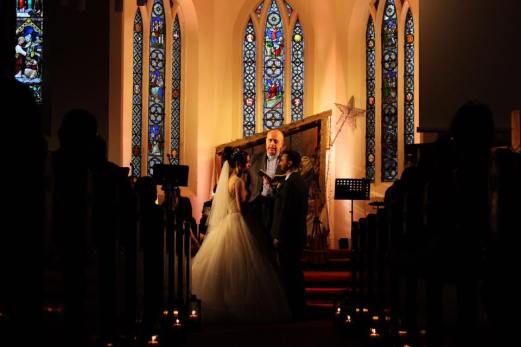
2) I finally understood that love isn’t just a feeling like the films suggest. Love isn’t just about the sparks. In this day and age we are told to follow our feelings, but if we actually take a look at feelings we can see that they are incredibly indecisive and impulsive. They are up and down and all over the place. Before Jonny, I met a few guys who were very led by their feelings which meant one minute they were completely head over heels for me and told me they were falling in love with me, but the next minute they were out of the door. Their feelings had changed and so they followed them elsewhere. That’s not love. That is being reckless with people’s hearts. As I’m a Christian I believe God speaks through the bible, and a verse in 1 John 3:18 says, ‘Dear children, let’s not merely say that we love each other; let us show the truth by our actions.’ It’s so easy to say the words, but it’s a lot harder to show it. I learnt quickly that it can hurt to go out with feelings led people because their decisions are not necessarily set in stone. It’s all reliant on how they feel that day. Be careful of these people. Our own feelings can be just as confusing, and therefore it makes sense that the fate of our relationship shouldn’t be based on them. It should be based on something stronger. This line in particular stuck in my brain. ‘True love can only begin when the falling in love stage has run its course.’ The falling in love stage is when you can’t help but do things for them to impress them. It’s almost out of your control because you are infatuated by them. But we have to stop confusing infatuation for love. Love is an action. Love is a choice. The truth is, love isn’t just about us! True love requires hard work and it is about choosing the other person above yourself. It is thinking, “How can I show them I love them today?” Relationships grow healthy when we prefer them. It is kind and loyal and generous and trust worthy. True love is looking at who a person is and making the choice to love them for who they are despite how we feel that day. It is a thought through decision. It isn’t something we throw away when things get hard. It is a commitment. It is a stronger kind of love because it lasts. Another verse in the bible is 1 Corinthians 13:4-8 which says, ‘Love is patient, love is kind. It does not envy, it does not boast, it is not proud. It does not dishonour others, it is not self seeking, it is not easily angered, it keeps no record of wrongs. Love does not delight in evil but rejoices with the truth. It always protects, always trusts, always hopes, always perseveres. Love never fails.’ I realised I didn’t want flimsy feelings led love. I wanted a love that would last. I realised that I could end me and Jonny and look elsewhere. But however long down the road, there was a high possibility I would eventually end up in exactly the same position feeling the same way with a different guy. But this guy may not be half the man that Jonny was, because despite what I was feeling, I always knew that Jonny was a good person. He cared about people. Put them first. Jonny had taken a long time to ask me out at the beginning of our relationship because he wanted to think about it and be sure. He wasn’t a feelings led guy. He told me that he was an all or nothing guy, and the second he asked me out he was all in. Jonny was trust worthy and loyal and kind. He made me a better person and he was always there for me. I looked at who Jonny was as a person instead of my feelings and made a decision that day that if I was going to choose to love anyone, I was going to choose to love Jonny. And if love is an action, that meant I actually had to do something about it. It meant instead of just sitting with Jonny in front of the TV and calling it quality time, sometimes I had to turn the TV off and give him my full attention. I had to start putting down my phone and talk to him. We had to plan thoughtful dates together. I still had to offer to make him a cup of tea or make him dinner even if I couldn’t be bothered. I had to tell him why I loved him every day even if I didn’t feel like it. I had to start choosing him over myself. Thinking of him before myself. So I did, and he did the same for me. I noticed that the more I did for him, the more he wanted to do for me. A few months later feelings began to come back. But not the butterfly feelings or spark. These feelings were deeper than that. We went to a deeper level and let each other in more than we ever had before. I didn’t even know different levels existed, but they did. And I wouldn’t have experienced this if I had just given up. Fast forward a few years and Jonny – knowing how much I adore Christmas – set up this beautiful Christmas scene in March, in our church with fairy lights, candles and photographs and proposed to me in the very place we got married in nine months later at Christmas.
 

26169217_10159738608490394_1959678976918128145_n (1)


Let’s talk about it.
I can’t tell you how many times since I read that book where I have had conversations with my friends who broke up with their boyfriends after roughly two years because ‘they just didn’t love him anymore.’ They had gone through the same confusion I had gone through and kept it to themselves until their decision had been made, because no one talks about it. We need to start talking about it, but that being said it is also extremely important who we decide we’re talking to. The best advice I ever received before I got married is if we ever had a disagreement, I needed to go to someone who champions Jonny. It is important to talk about what’s going on in your head, but when you are angry or confused the last thing you need is a friend who will add fuel to the fire and tell you how awful that person is. All that does is help create more issues and offence. If you go to someone who loves you both, you will be heard and supported but they will not attack your partner. They will encourage you to find a solution, maybe give your fresh perspective and good advice. Those are the kind of conversations that help save and grow healthy relationships. We need to start talking about it. And now I want to talk about it. I want to say that it is completely normal to loose spark and that doesn’t mean your relationship is over. I want to identify the lie that love is just about feelings because that almost made me throw away the best thing that ever happened to me. And I also want to talk about the things you don’t get to see a lot in films. The next part of the story.

The next part of the story…
I wouldn’t change the first two years of my relationship with Jonny because the beginning of a relationship is exciting. But the beginning also has its own flaws. Like I said before, at the start you only show the good side of yourself. The parts you want them to see which actually means there is a lot you are hiding. You are guarded because you want them to like you. You don’t trust that they won’t walk away if they see all of you. Later on, is when you start to trust them. You can trust that they love and accept you for who you are, good and bad. You can feel secure that they aren’t going anywhere. They are there to support you with your dreams and help you achieve them. They are there for every success, every failure, every new job, every failed job, every promotion, every meltdown, every birthday, every time you loose someone, every time you fall out with friends, every time you make up with friends, every family event, every life changing experience and the normal every day. You always have someone in your corner, cheering you on. Celebrating the good times and being there for you in the bad times. You have someone to talk to about what’s on your mind or how your days gone. You get to learn things together and achieve things together. At the start there may be spark, but later on you get to do life with your best friend who has chosen you and only you, and there is nothing that fills you with more love and security than that.
I don’t want people to ruin their chances of experiencing that all in the hope of getting feelings, because feelings are unreliable. They will always change. Real love is permanent, because it is the decision to keep on loving someone no matter what. If you are in a relationship where you are experiencing a similar doubt as I did, I would like to encourage you to change the way you think before you make any final decisions. Remember that your relationship is simply experiencing a natural, normal transition from one stage to another. Loosing spark isn’t necessarily the end of your relationship, but the beginning of a deeper connection and trust. Remember that love is an action and consider how you could show them love. How could you choose them over yourself today? If you do this it might just save your relationship as it did mine, and you might find that your relationship was worth saving.
Things you could try:

1) Get creative and cook them dinner
2) Offer to make them a drink
3) Pour them a bath – with or without candles and music
4) Do several chores around the house so they can relax
5) Try to ask them how their day has been
6) Sometimes switch off from the TV or your phone and just focus on them
7) Surprise them with a fun activity you’ve planned
8) Have some creative, quality conversation with each other
9) Think of some fun questions you can ask each other to get to know each other more
10) Set a day each week for ‘date night’ where you make time for each other only
11) Find out what your similar interests or hobbies are and do it together
12) If they like hugs, make sure you’re hugging them often
13) Hold their hand
14) Write them thoughtful cards or send them nice texts
15) Tell them you love them every day, even when you don’t feel like it
16) Tell them what you like about them and why you appreciate them so they know why off by heart
17) Leave nice notes around the house
18) Tell other people what you like about them whilst they are there.
19) Surprise them by buying something you know they want
20) Surprise them by buying some food from the shop that you know they like

42 years and counting…
I have been in a relationship with Jonny now for 6 years, but I wanted to talk to a wonderful woman who has been married to her husband for a lot longer than that and find out what their secret is. They are an inspiring couple who still show massive love and respect for each other after 42 years of doing life together. They are a team. What is the secret to a long lasting marriage?

He was the strong, silent type and I was the creative, bubbly type. A true case of opposites attracting between me and my husband.  He – a physics undergrad, and me -a reasonably bright A-level student; we met at a youth club and spent the summer decorating the local church hall, which gave us lots of time and opportunity to get to know each other, whilst painting and singing (mostly American) folk songs. This was the era of Dylan, Peter, Paul and Mary, Simon and Garfunkel after all.

Nowadays, when I ask him his advice for being together all these 42 years, his answer is, not unexpectedly, brief; “You should always marry your best friend,” which is kinda nice that he still values me as his best friend…and also highlights that initial attraction alone is not the thing that will keep a relationship deep and lasting. Taking pleasure in each other’s company, sharing your heart, support and comfort, joys and sorrows, are a much larger part of the journey.

For me, learning to appreciate one another is high on the agenda as part of love. I can remember a time early in our married life when we followed a soap of the day, where the couples were constantly bickering, pulling each other down in front of others, highlighting their faults.
I noticed a conversation we had at home one day seemed to sound as if it had come straight out of the programme. I decided I would intentionally stop following that soap which seemed to have got under the radar of my thought processes, stop letting the media and its portrayal of broken or miserable relationships guide mine. Instead, it is helpful to remember what you find attractive and admire in the other person. Small words of appreciation such as ‘Thanks for doing that’ (hated chore) etc… And finding appropriate ways and times to communicate what is irritating and deciding if it might be better to be patient about things sometimes anyway.

The place of kindness is underrated in love; doing those little thoughtful things that the other person appreciates, noticing their struggles and helping out, not always being selfish and demanding. It might be me getting out of my cosy spot in the car with an umbrella when my husband has his head under the broken down 70’s car in the pouring rain. Or perhaps it’s him jumping fully-clothed and booted into an unexpectedly stormy Lake Windermere shallows to pull our rowing boat safely to shore. It could equally be him cutting small hearts out of cucumber to say ‘ I love you’ with the Sunday sandwiches, or maybe singing a cute song round the kitchen to cheer up a recent touch of the blues! Little kindnesses, appreciations, spontaneous words and ways of expressing what we value in  each other, have helped to prevent that ‘taking each other for granted’ feeling, even though there have been many seasons when we both have to rely on each other massively.

We don’t often fall out but when we do there is always the ‘Don’t let the sun go down on your anger’ advice, which is hard to follow sometimes but helps to prevent things from festering.  To say, ‘Sorry’ and/or being willing to make peace and equally accept it and not staying locked in hurt feelings, pride and vulnerability.

Tired, stressed and a bit grumpy with each after a long journey on a recent holiday we arrived at the restaurant with not much of our usual excited holiday chatter….not the best way to begin a chilled week! But before I’d even headed to the buffet, my better half appeared with two sparkling glasses of celebratory cava to show no ill feeling.  (‘The boy really knows how to show a girl a good time!’ as they say). It’s a lifetime of small but significant things that have become part of our lives.

Those young students of the 70’s may have changed almost unrecognisably into the couple we are today, but we have grown together and not succumbed to the myth of ‘I’m a different person now’ as an excuse for not continuing to work on our relationship and deepen our love. For us, being in it for the long term means that creativity and making space for fun and enjoyment can be as much present all these years on as when we first met …perhaps even more because we know each other deeply, almost as much as our own selves.  So having married my best friend, hero, sweetheart and lover, it’s a case of  “I’ll be there for you…” always and  without a doubt…42 years and counting…

Chapman, G. (1995). Five Love Languages. Chicago: Northfield Publishing. Page 29-30, 33-34.